

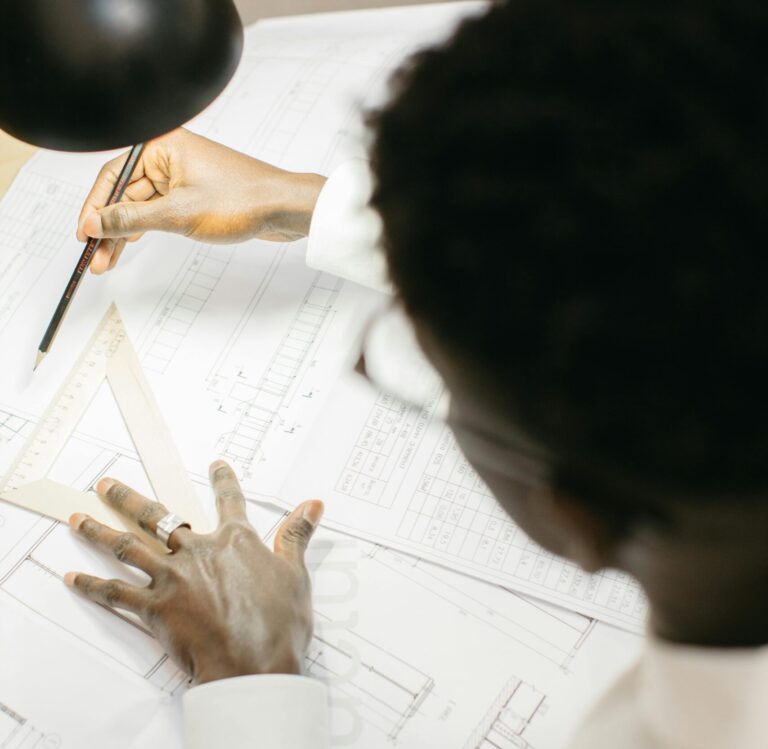
At DDB Contracting, we often work with clients who are facing budget challenges mid-project. Whether costs are higher than expected or the scope has shifted, the question remains: “How can we reduce costs?”
When comparing value engineering (VE) vs. cost cutting, it’s important to understand how each approach impacts both your budget and the long-term success of your project.
What is Value Engineering?
Value engineering is a proactive, collaborative process that starts early in the preconstruction phase. It involves the entire project team, including the general contractor, architect, engineers, and the client, with the goal of finding smarter ways to meet objectives without compromising quality.
Value engineering focuses on:
-
-
Life Cycle Costing: Prioritizing materials and systems that are cost-effective in the long term, not just the immediate savings.
-
Design Efficiency: Ensuring that every element serves a clear purpose and the project’s goals. If an element is over-specified or unnecessary, it’s reconsidered.
-
Quality and Safety: Reducing costs without sacrificing safety or the performance of the project.
-
Value Engineering on a Commercial Project Might Look Like:
-
-
Material Substitution: Choosing a more cost-effective material that meets the same performance and code requirements. For example, selecting a ceiling system that meets the same acoustic and fire rating specs, but at a 15% lower cost.
-
Optimizing the Work Sequence: Adjusting the construction schedule to allow trades to work in parallel, reducing delays and labor hours without sacrificing efficiency.
-
Right-Sizing Structural Specifications: Identifying overly conservative structural specifications that can be optimized without affecting safety or functionality, ensuring the design is both cost-efficient and effective.
-
Sourcing Domestic Materials: Replacing imported materials with domestic alternatives that offer the same performance but with shorter lead times and lower costs.
-
What Sets Value Engineering Apart?
Unlike simply “cutting costs,” value engineering ensures that every decision is made with the project’s long-term success in mind. Each choice is carefully evaluated for its impact on function, quality, and overall value. It’s a collaborative process driven by input from the full project team, not a quick decision made unilaterally.
How Value Engineering Works
Value engineering follows a structured process, moving through clearly defined phases:
-
-
Pre-Study
At this stage, the project’s scope, goals, and constraints are defined, setting key parameters such as cost targets, performance requirements, and timelines. This ensures the VE process stays focused on delivering the best possible outcome. -
Function Analysis
In this phase, the team identifies the essential functions of the project, breaking it down into its core components. The goal is to distinguish between primary functions (critical to the project’s success) and secondary functions (desirable but not essential). By understanding these priorities, the team can make more informed decisions about resource allocation and project focus. -
Creative Phase
The team brainstorms alternative solutions that can achieve the same or better results at a lower cost. Through collaboration, whether it’s a structural engineer suggesting a design change or a general contractor proposing a material substitution, the team uncovers smarter, more efficient options. -
Evaluation
Each proposed idea is carefully assessed for its feasibility, cost impact, and overall value. This phase considers how each alternative will affect quality, performance, and the project schedule to ensure the best outcome. -
Development
The best ideas are developed into detailed, actionable plans with clear specifications and estimates. Each recommendation is backed by a solid rationale, eliminating ambiguity and ensuring clarity. -
Presentation
Recommendations are presented to all stakeholders, ensuring everyone understands what’s changing, why, and how it benefits the project. This open communication keeps everyone aligned and informed.
-
So, What is Cost Cutting?
Cost cutting is a reactive process, typically occurring when a project is already over budget. The goal is to reduce the cost, often without considering the long-term impact on the project.
In practice, cost cutting might involve:
-
-
Material Substitution: Using a cheaper material that doesn’t meet the same performance standards, potentially compromising the overall quality of the project.
-
Scope Reductions: Eliminating critical elements, such as waterproofing or insulation, that are essential to the project’s long-term functionality and durability.
-
Schedule Compression: Trying to reduce the timeline by removing key steps or processes, instead of optimizing the workflow. This can lead to delays and quality issues down the line.
-
Unilateral Decision-Making: Making decisions quickly, without consulting the full project team, which can result in missed opportunities for better solutions and negatively impact the project.
-
Short-Term Savings Vs. Long-Term Consequences
While cost cutting may offer immediate savings, the long-term consequences are often felt through callbacks, repairs, and client dissatisfaction. The final result may not perform as expected, and the quality of the finished project may not meet the standards originally envisioned.
Cost cutting can also strain relationships between the team and the client. When design specifications are altered without consultation, it can erode trust and cause friction, something that’s difficult to repair once the project is underway.
Value Engineering vs. Cost Cutting: Key Differences
Value Engineering |
Cost Cutting |
|
When it happens |
Early in preconstruction | After a budget overrun |
Who drives it |
GC + architect + engineers + client work together | Often the GC or owner, without full team input |
Goal |
Same (or better) outcome, smarter more efficient approach | Lower the number, regardless of outcome |
Effect on quality |
Maintained or improved | Often compromised |
Effect on relationships |
Builds trust and alignment | Can create friction and second-guessing |
Long-term impact |
Positive – better ROI, fewer issues | Often negative – repairs, callbacks, dissatisfaction |
The Real Benefits of Value Engineering
When value engineering is implemented early and effectively, the benefits go beyond just cost savings:
-
-
Smarter Solutions: VE identifies innovative ways to reduce costs without compromising quality or performance. For example, using prefabricated components can lower costs while maintaining structural integrity.
-
On-Time, On-Budget Delivery: By optimizing resources and eliminating unnecessary steps, VE helps keep the project on track and within budget.
-
Team Alignment: With input from all stakeholders early on, VE fosters better communication and reduces surprises later in the process.
-
Proactive Problem-Solving: VE helps identify potential issues early, allowing the team to make proactive adjustments before they become costly problems during construction.
-
Learn more about boosting project value with Procore’s guide on Value Engineering in Construction: 6 Steps to Increase Project Value.
Where Value Engineering Can Go Wrong
While VE offers significant benefits, there are challenges to consider:
-
-
Misunderstanding the Purpose: When VE is approached solely as a cost-cutting tool rather than an optimization process, its effectiveness can be diminished. The goal should always be the best possible outcome, not just the lowest price.
-
Introducing VE Too Late: Once construction begins, making changes can disrupt schedules and cost more than they save. The best time for VE is during preconstruction, before the work starts.
-
Inflexibility: VE requires a willingness to question early design decisions and assumptions. Successful VE depends on trust among all team members and a willingness to collaborate openly.
-
What to Ask Your Contractor
As you prepare for a commercial construction project, consider these questions to understand how your contractor approaches value engineering:
-
-
When do you begin exploring value engineering opportunities?
-
Who on your team is involved in the process, and do you collaborate with the architect and engineers?
-
Can you provide an example where value engineering made a significant difference in a project?
-
How do you ensure that quality remains a priority when adjusting costs?
-
How do you communicate trade-offs to the entire project team?
-
The answers will give you valuable insight into how your contractor approaches the project. A contractor who emphasizes value engineering as a team-driven, preconstruction process is focused on delivering the best possible outcome for your project.
Our Approach at DDB
At DDB Contracting, value engineering isn’t a reaction to problems, it’s an integral part of our planning process. We apply this thinking to every commercial project, ensuring that every dollar spent is working as hard as possible to achieve the best results. Our approach means having transparent conversations early, involving the right people, and making sure every decision supports the project’s long-term goals.
Visit DDB Contracting’s Services Page to learn more about the comprehensive construction solutions we offer across the United States.
Contact DDB Contracting to get started on your next commercial project.